Automotive Industry
Used in sound insulation, thermal barriers, trunk lining, floor systems, and interior component structures.
Recycled fiber is a sustainable raw material produced from textile waste such as garment cutting scraps, yarn waste, denim waste, fabric leftovers, and post-industrial textile materials. Instead of being discarded, these materials are collected, sorted, cleaned, and processed into reusable fibers that can be applied in industrial manufacturing.
In modern industry, recycled fiber is widely used in nonwoven felt, thermal insulation, sound insulation, furniture padding, automotive components, geotextiles, and construction-related materials. It offers a practical balance between performance, cost efficiency, and environmental responsibility.
Recycled fiber helps reduce textile waste, supports circular production systems, and provides manufacturers with a stable alternative to virgin raw materials.
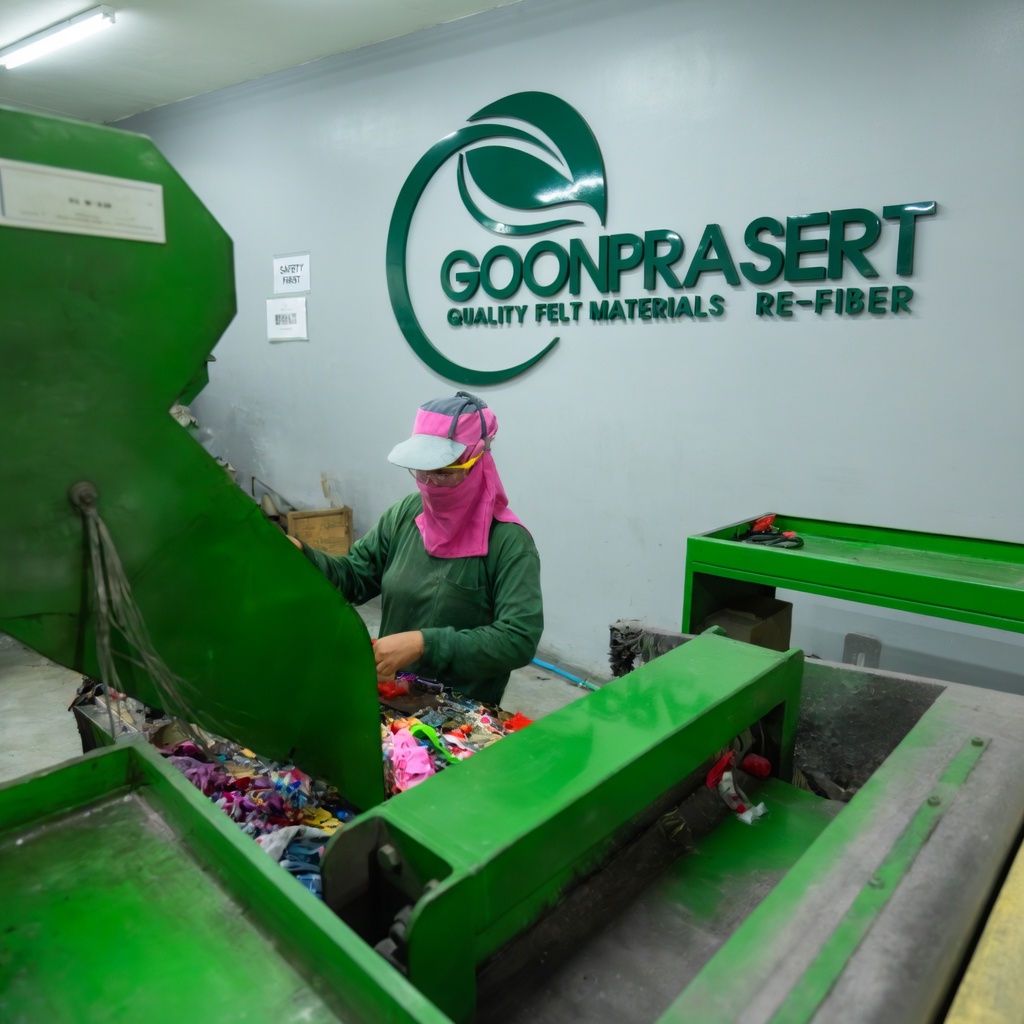
The process usually begins with textile waste collection and sorting by composition, color, and usability. After sorting, the materials are cut, opened, and processed through specialized machinery to recover usable fibers. These fibers are then prepared for downstream manufacturing such as felt production, padding, needle punching, and thermal bonding.
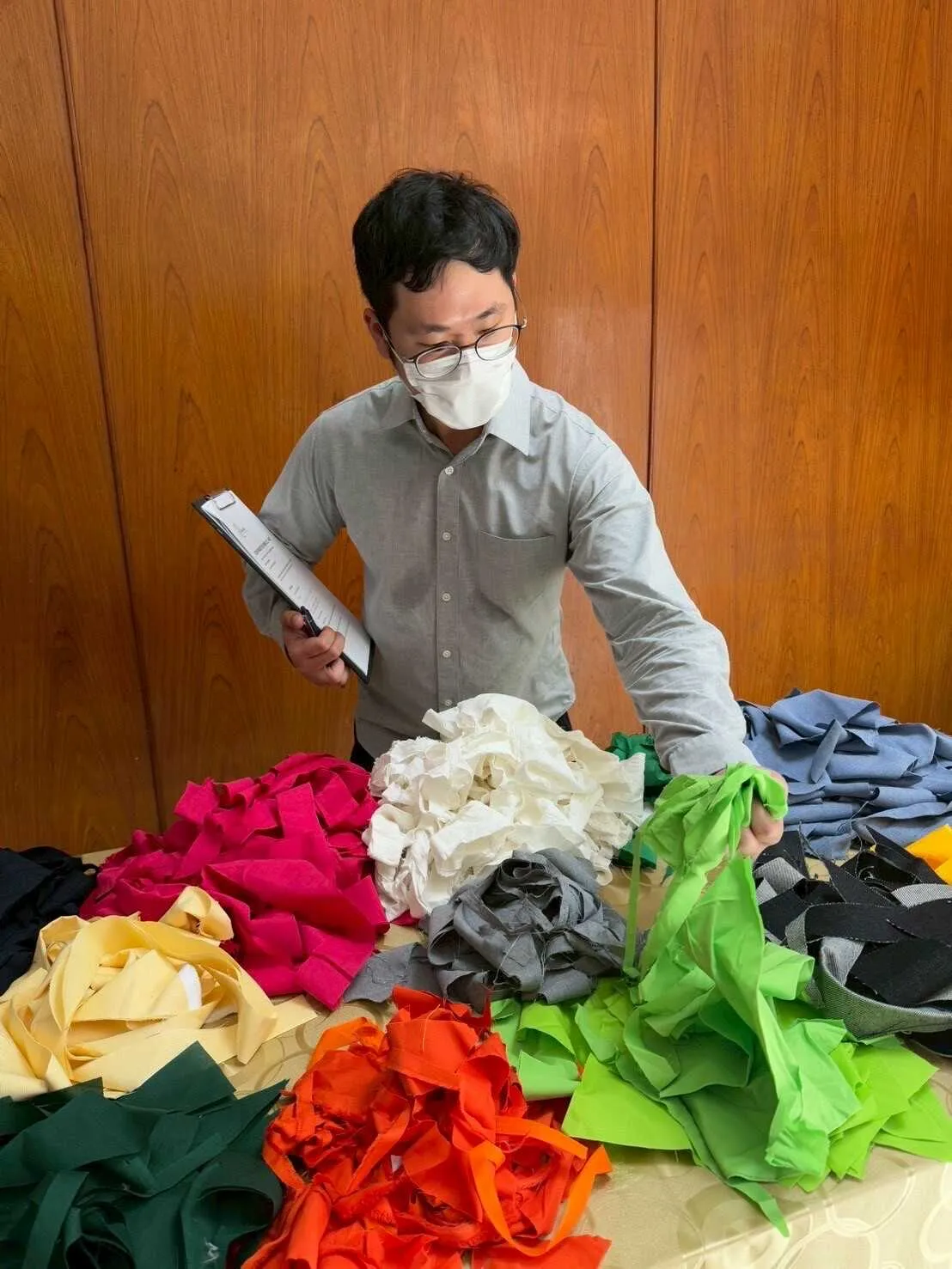
Recycled fiber can come from a variety of textile sources depending on the target application and performance requirement. At industrial scale, common raw materials include cutting waste from garment production, denim scraps, poly-cotton textile waste, and mixed synthetic fibers.
One of the most valuable characteristics of recycled fiber is its versatility. Depending on the blend and production method, it can be used in a wide range of industrial sectors.
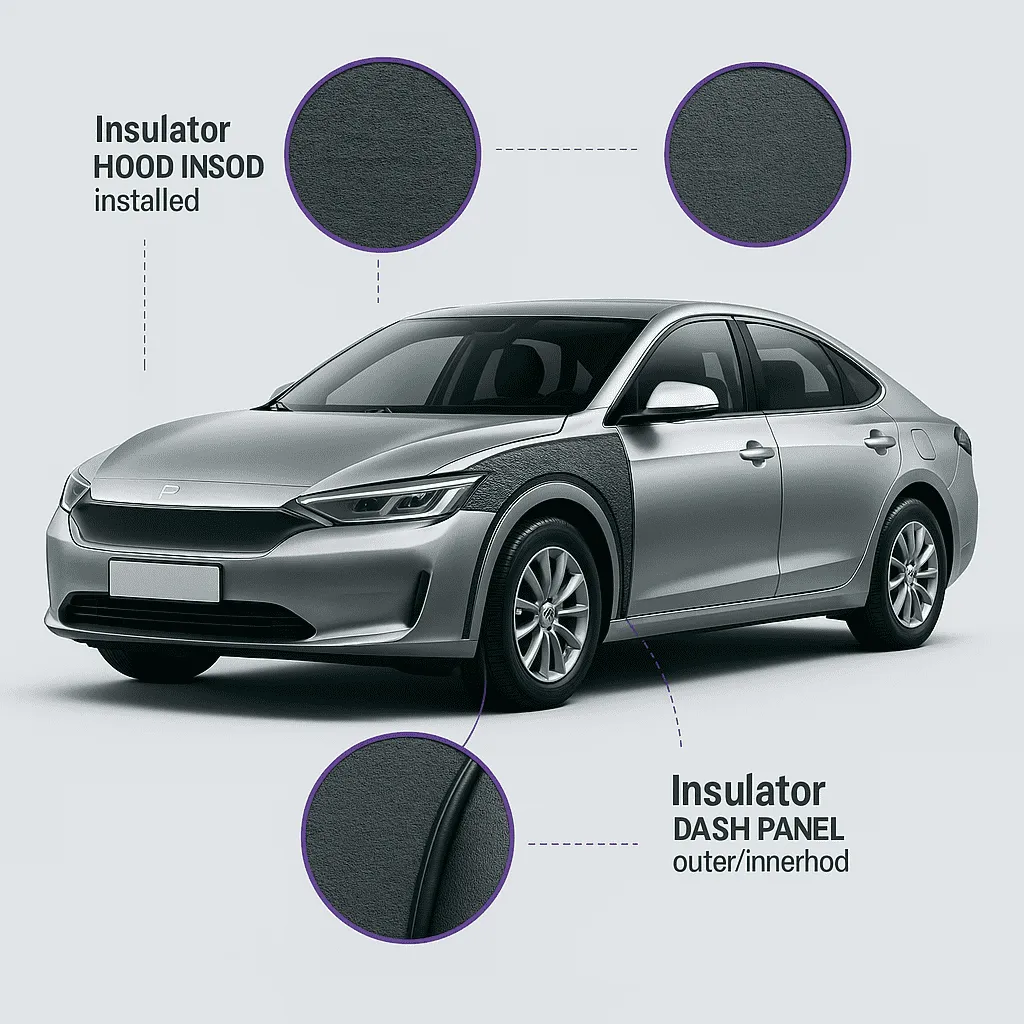
Used in sound insulation, thermal barriers, trunk lining, floor systems, and interior component structures.
Suitable for nonwoven felt, protective layers, cushioning, thermal resistance, and structural support applications.
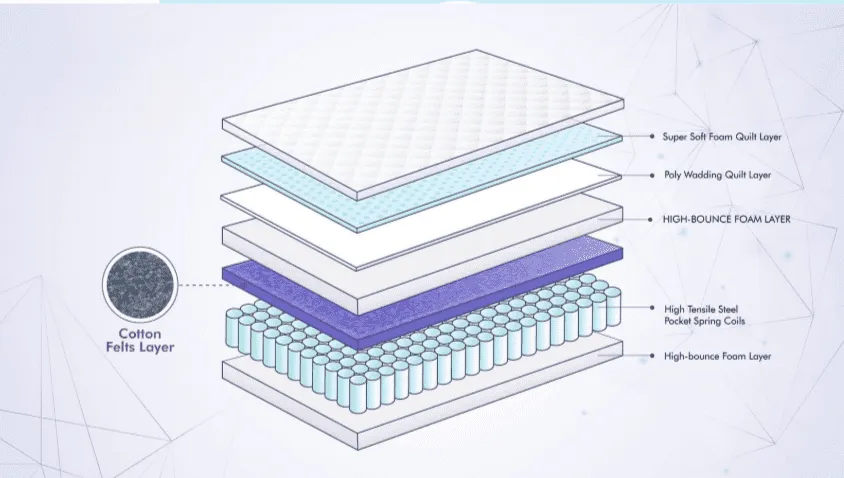
Applied in sofa padding, mattress felt, cushioning layers, comfort support, and upholstery systems.
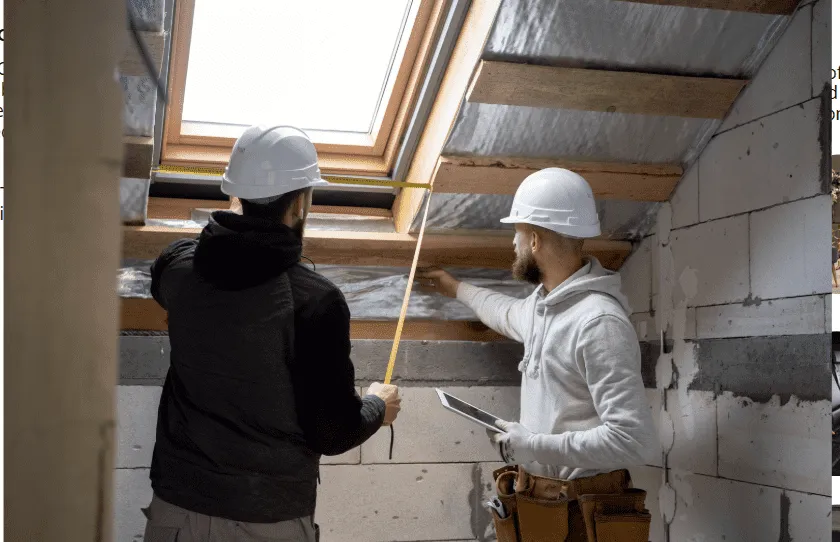
Used for drainage layers, reinforcement, insulation, erosion control, and general technical textile purposes.
Recycled fiber is one of the key raw material bases for nonwoven felt production. When processed correctly, it can provide durability, dimensional stability, cushioning, and insulation performance for technical applications. This makes it particularly useful in industries where material efficiency and cost control are important.
GOONPRASERT RE-FIBER focuses on supplying recycled fiber and felt-related raw materials for industrial applications. With experience in textile recycling and material development, the company supports customers who need stable supply, practical product performance, and scalable production capability.
If you are looking for recycled fiber, felt raw materials, or nonwoven material solutions for automotive, furniture, insulation, or industrial production, our team is ready to support your request.
Request a Quote
P/C recycled fiber is a versatile raw material for insulation, automotive felt, and industrial nonwoven production.
© 2026 GOONPRASERT RE-FIBER LIMITED PARTNERSHIP
A LEADER IN NONWOVEN & FELT MATERIALS