Automotive
Used for sound insulation, thermal insulation, trunk lining, floor systems, and interior component backing.
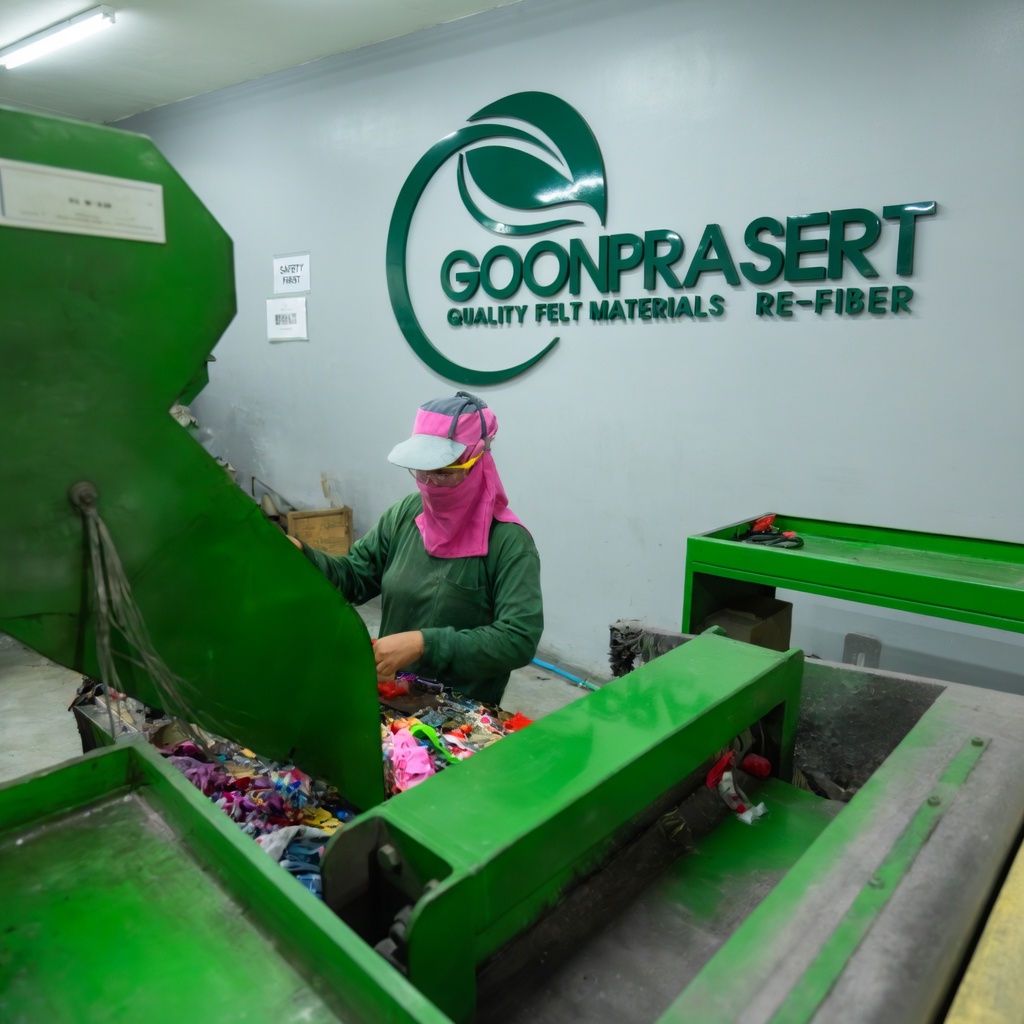
Nonwoven fabric is a material made by bonding fibers together through mechanical, thermal, or chemical processes instead of traditional weaving or knitting. Because of this production method, nonwoven fabric can be designed for different densities, thicknesses, textures, and performance requirements.
In industrial applications, nonwoven materials are valued for flexibility, production efficiency, durability, cushioning, insulation performance, and cost control. They are widely used in automotive, furniture, bedding, geotextile, electrical appliance, and construction sectors.
Nonwoven fabric can be produced faster and tailored more easily than woven fabric, making it highly suitable for industrial manufacturing.
Nonwoven production starts with fibers that are opened, blended, and formed into a web. After the web is prepared, the material is bonded by heat, needle punching, chemical treatment, or a combination of methods depending on the target application.
Nonwoven materials can be made from virgin fibers or recycled fibers depending on the product requirement. In sustainable industrial systems, recycled fiber is often an important raw material for nonwoven felt and insulation products.
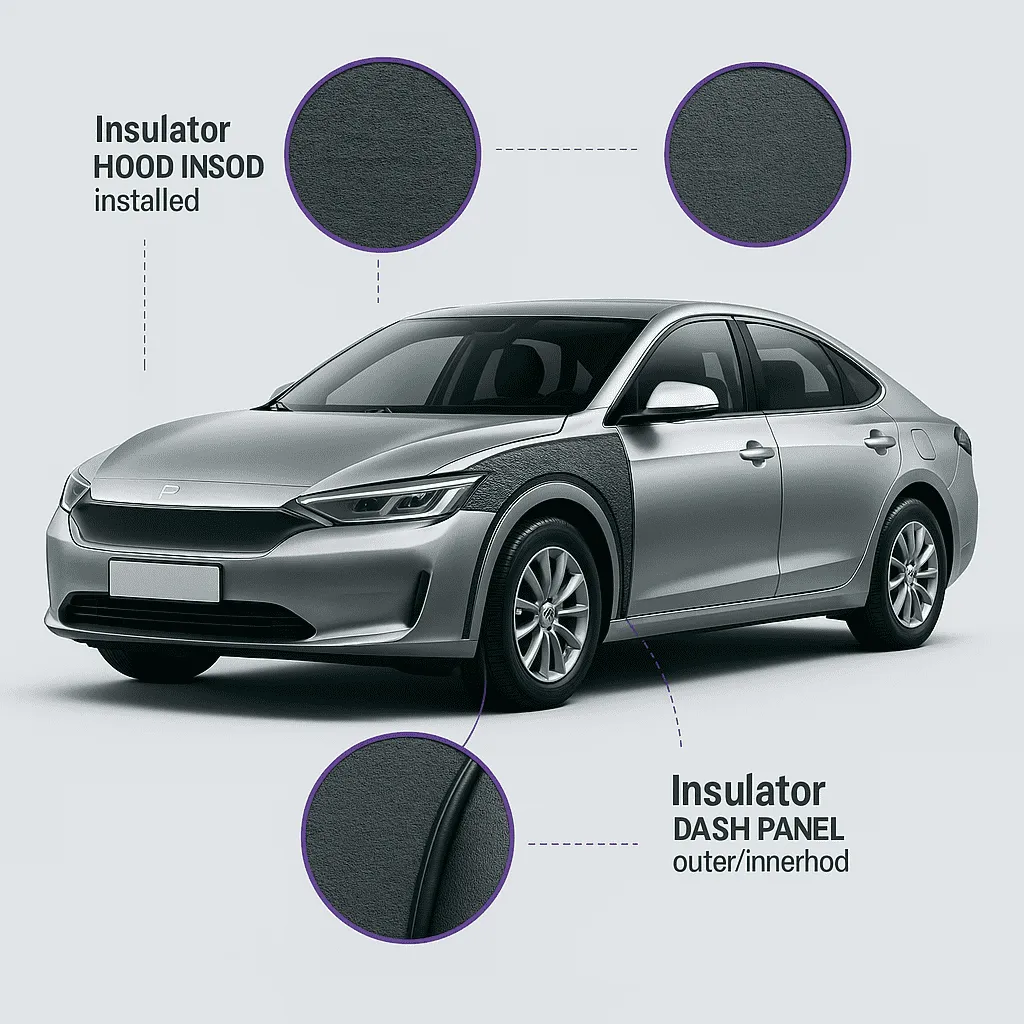
Used for sound insulation, thermal insulation, trunk lining, floor systems, and interior component backing.
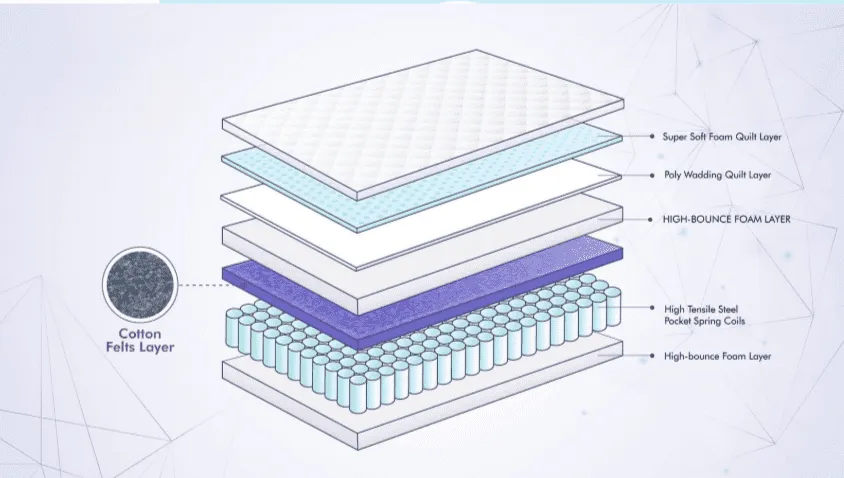
Applied in mattress felt, sofa padding, cushioning layers, support materials, and upholstery systems.
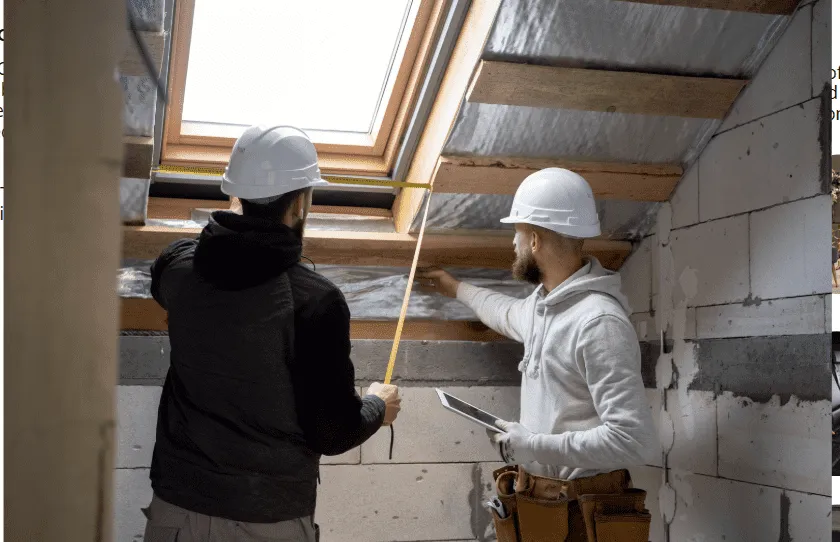
Suitable for reinforcement, drainage, erosion control, filtration, and separation layers in civil engineering.
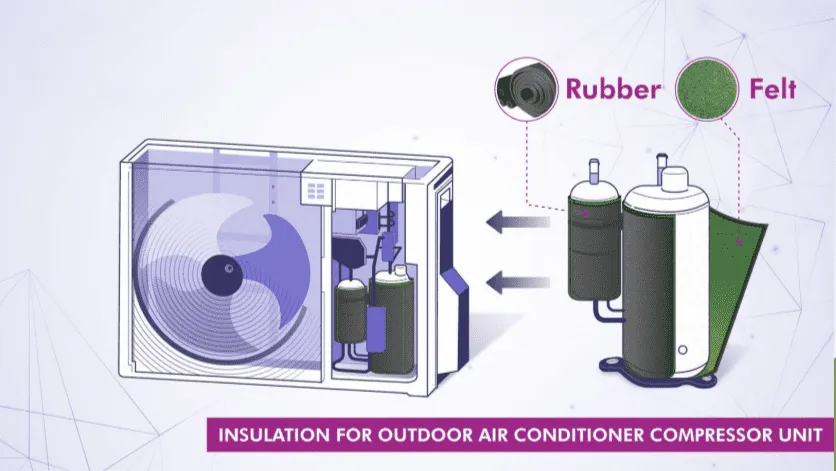
Used as insulation and noise reduction material in selected appliance and technical product applications.
Felt is one of the most common industrial forms of nonwoven material. In felt production, fibers are bonded to create a dense, durable material that can perform as padding, insulation, reinforcement, or acoustic control material.
This is why nonwoven felt is widely used in interior automotive applications, bedding systems, construction products, technical insulation, and packaging support materials.
Manufacturers choose nonwoven materials because they are practical, scalable, and versatile. For industries that need large volumes of functional material, nonwoven production offers an efficient solution with reliable technical performance.

Polyester and cotton blend suitable for durable nonwoven and felt-based industrial applications.
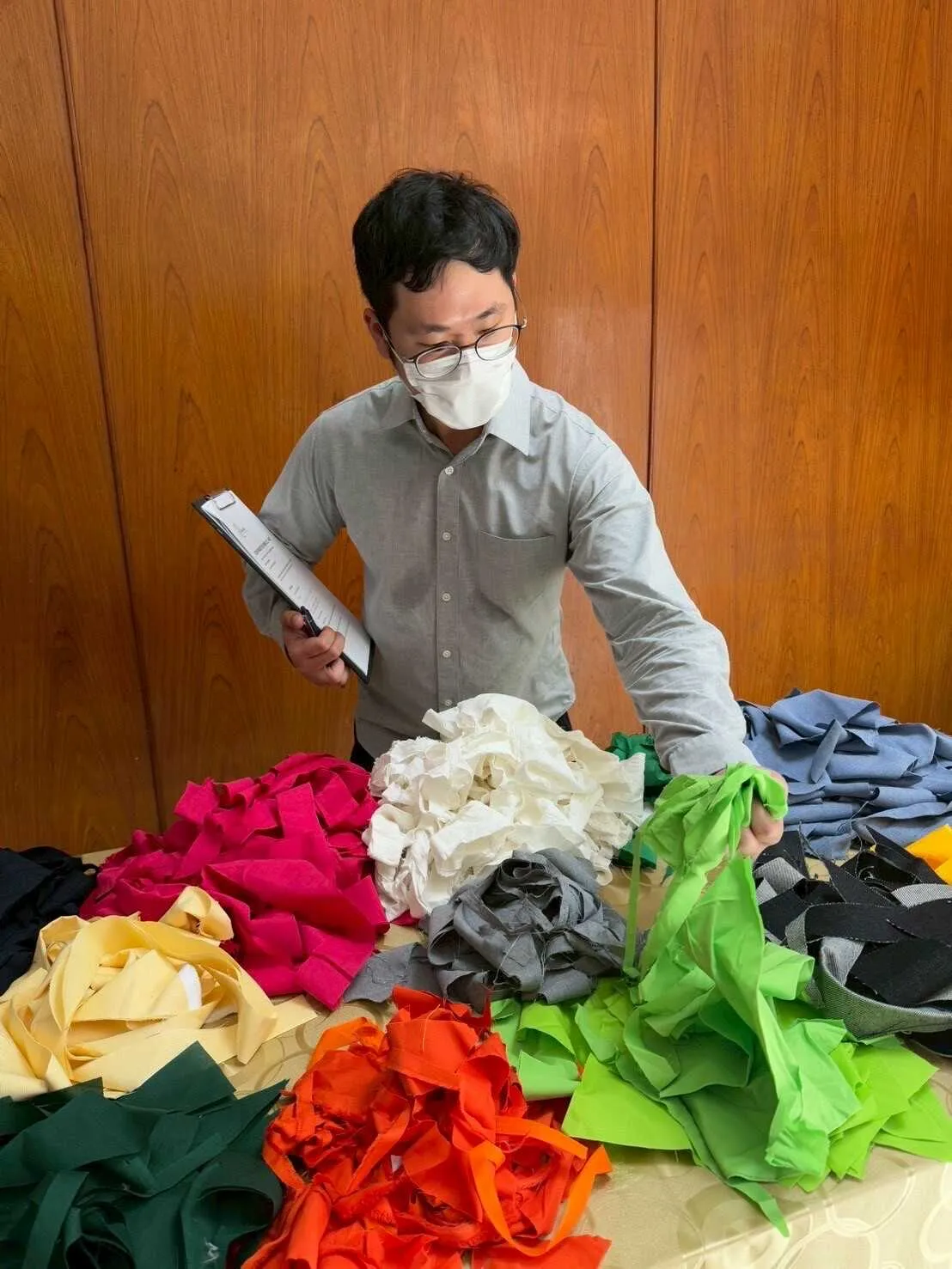
Stable production and scalable raw material supply are important for technical nonwoven manufacturing.
GOONPRASERT RE-FIBER supports manufacturers looking for recycled fiber and felt raw materials for industrial use. With experience in textile recycling and fiber-based material development, the company can support applications in automotive, furniture, insulation, and construction-related sectors.
Contact GOONPRASERT RE-FIBER for industrial material information, recycled fiber supply, felt raw material solutions, and quotation support for your production needs.
Request a Quote
Spun P/C is a durable recycled fiber material commonly used in nonwoven and industrial felt production.
© 2026 GOONPRASERT RE-FIBER LIMITED PARTNERSHIP
A LEADER IN NONWOVEN & FELT MATERIALS